
Moisture mapping, not guesswork
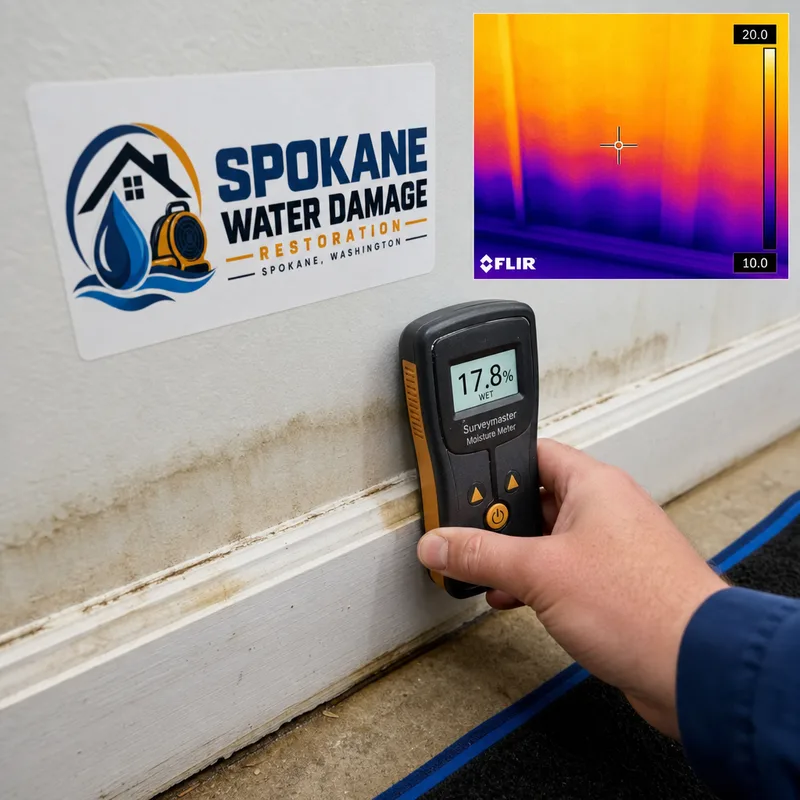
We use non-invasive and penetrating moisture meters and thermal imaging to locate wet materials behind paint, under flooring, and inside assemblies so drying equipment is placed where it works.
Serving Spokane, Washington & surrounding areas
Water restoration service · Spokane, WA
Stop the damage from spreading with a clear, documented plan: emergency water removal, structural drying, cleanup, and repairs coordinated around your schedule and your insurance requirements.
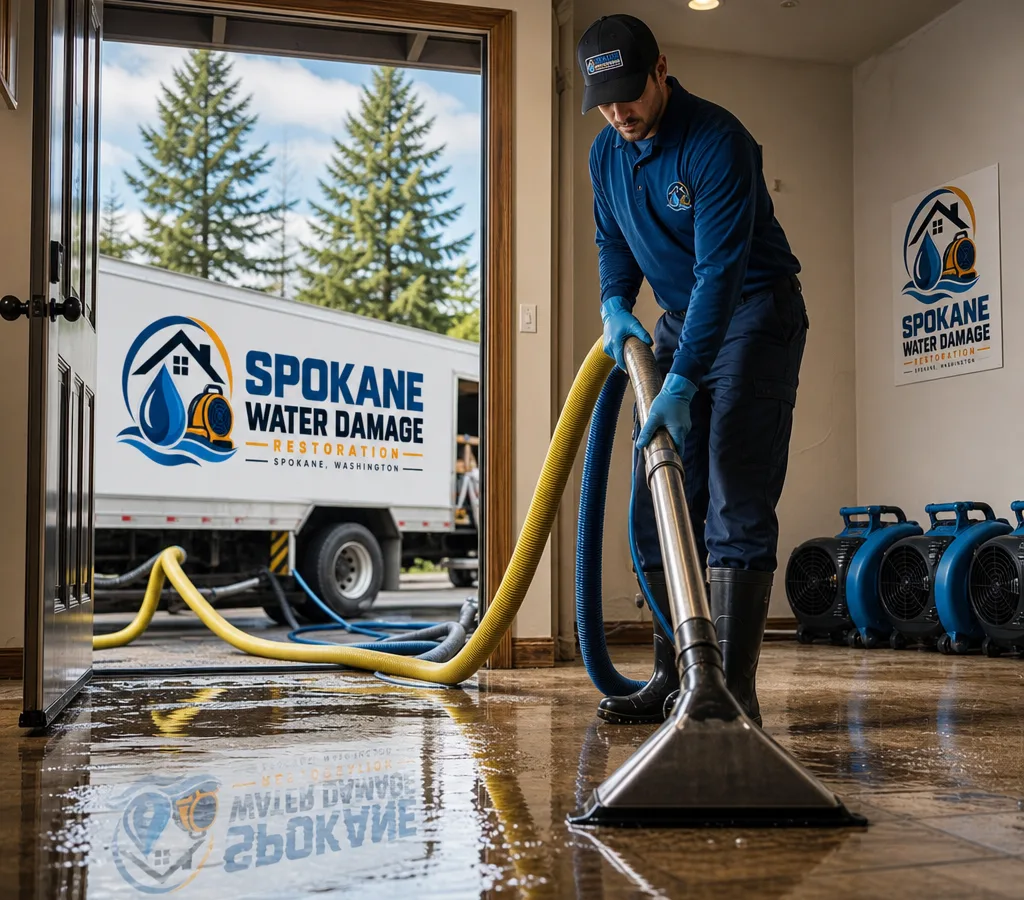
Prompt action limits secondary damage
When water gets into floors, walls, or ceilings, the clock matters. Water restoration Spokane work is about more than removing visible water. It is about finding where moisture traveled, drying the structure in a controlled way, and documenting every step so your property and your claim both have support.
Spokane Water Damage Restoration handles the full restoration scope for residential and commercial properties in Spokane, WA. That typically includes emergency extraction, moisture mapping, structural drying, dehumidification, antimicrobial cleaning when appropriate, and coordinating repairs once the area is dry.
Spokane has a mix of older homes, newer builds, basements, crawlspaces, and slab-on-grade construction. Each responds differently after a supply line break, a dishwasher overflow, or a storm event. The right approach starts with an inspection using meters and thermal imaging to identify affected materials, then a drying plan that targets the wettest areas first while protecting unaffected rooms.
Complete restoration support
We use non-invasive and penetrating moisture meters and thermal imaging to locate wet materials behind paint, under flooring, and inside assemblies so drying equipment is placed where it works.
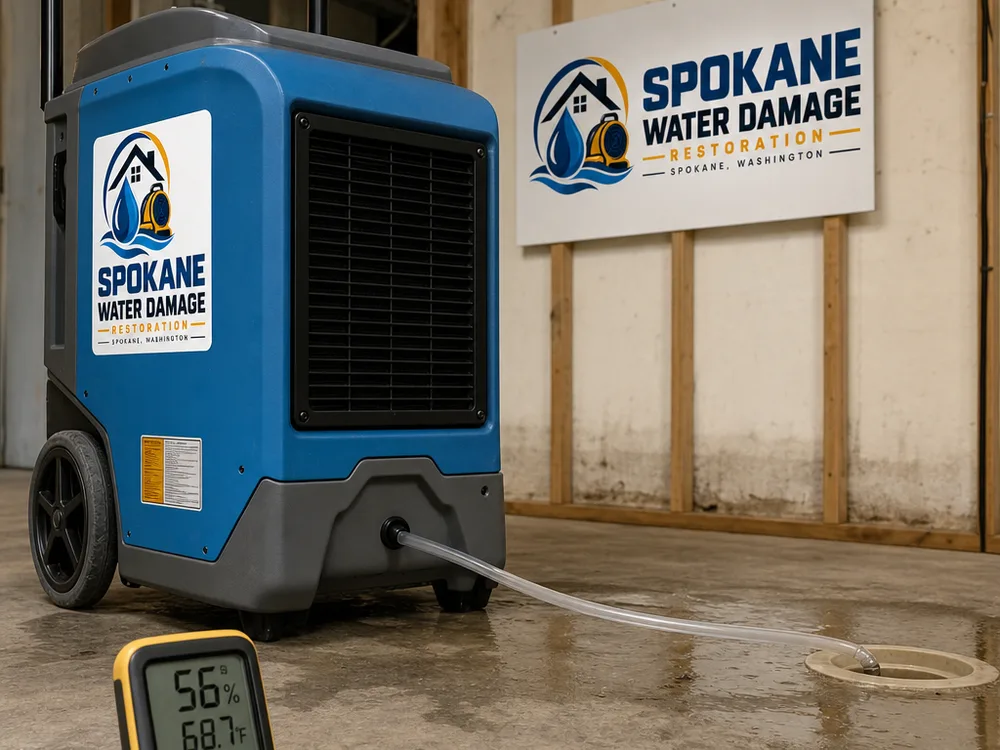
Air movers and dehumidifiers are sized to the loss, with temperature and humidity monitored. The goal is to dry efficiently without damaging finishes or causing secondary issues.
If there is contamination risk from sewage backup, ground water, or heavy microbial growth, we set containment and use HEPA filtration during cleaning and removal of unsalvageable materials.
Photos, moisture readings, equipment logs, and a written scope help support the claim and reduce back-and-forth during review.
Once drying goals are met, repairs can include drywall, insulation, baseboards, flooring transitions, and repainting so the space is put back into service.
Hidden moisture changes the scope
A small leak can become a large restoration if water keeps feeding the problem or if it wicks into porous materials. In many Spokane properties, water follows framing bays, runs along subfloor seams, and collects at low points such as basement corners, utility rooms, and crawlspaces.
Common situations we see include:
The right first move is to stop the source and protect safety. If there is ceiling sag, electrical exposure, or unknown contamination, treat it as a hazard until it is assessed. For a broader overview of emergency response and recovery options across Spokane, many customers start with water damage restoration in Spokane.
From inspection to repair coordination
We identify the source, confirm affected areas, and note safety concerns such as wet electrical, ceiling collapse risk, or contaminated water.
We remove standing water with pumps or truck-mounted extraction, then protect surfaces and contents as practical. Early extraction reduces how much water soaks into subfloors and framing.
We measure moisture in walls, floors, and structural members, then set air movers and dehumidifiers based on the materials present and how far the moisture traveled.
Drying is not a set-it-and-forget-it step. We monitor humidity, temperature, and material moisture to adjust equipment and confirm the structure is drying as expected.
When needed, we apply antimicrobial treatments, remove unsalvageable materials, and address odor sources so the space can be rebuilt cleanly.
We document when materials reach acceptable drying targets, then coordinate repair scope so the space can be restored without trapping moisture behind new finishes.
Water restoration in Spokane typically ranges from about $1,200 to $6,500 for many residential losses, with large or contaminated losses reaching $10,000+ when removal and rebuild are extensive. A small, clean-water issue in one room can be on the lower end, while multi-room drying with drywall and flooring removal costs more.
Final price depends on how far water traveled, the water category, how quickly it was addressed, material types, access to wet cavities, and the days of drying equipment needed. The exact cost is confirmed after an on-site inspection and moisture mapping.
Restoration in progress
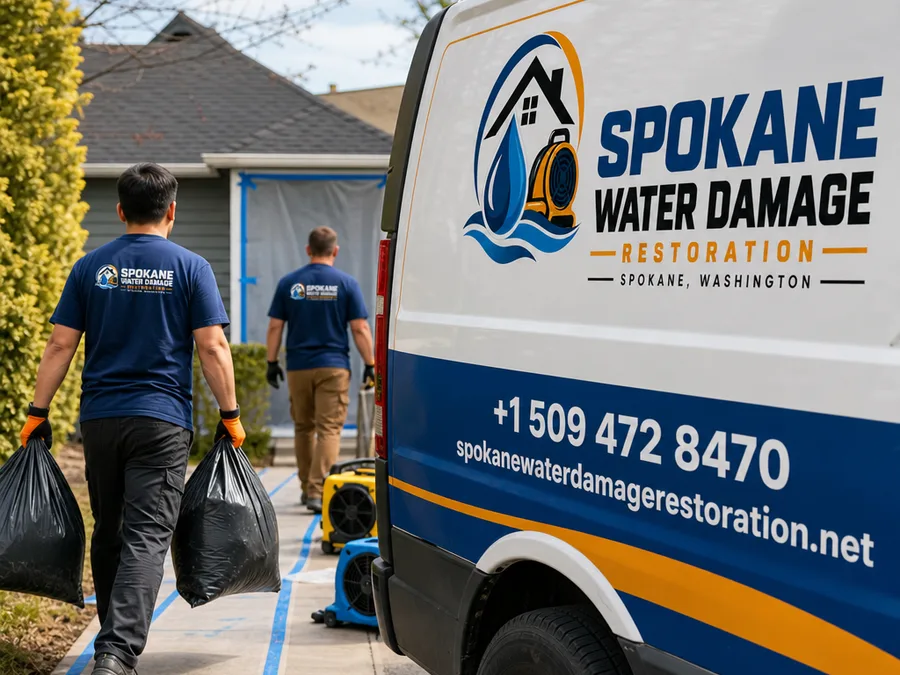
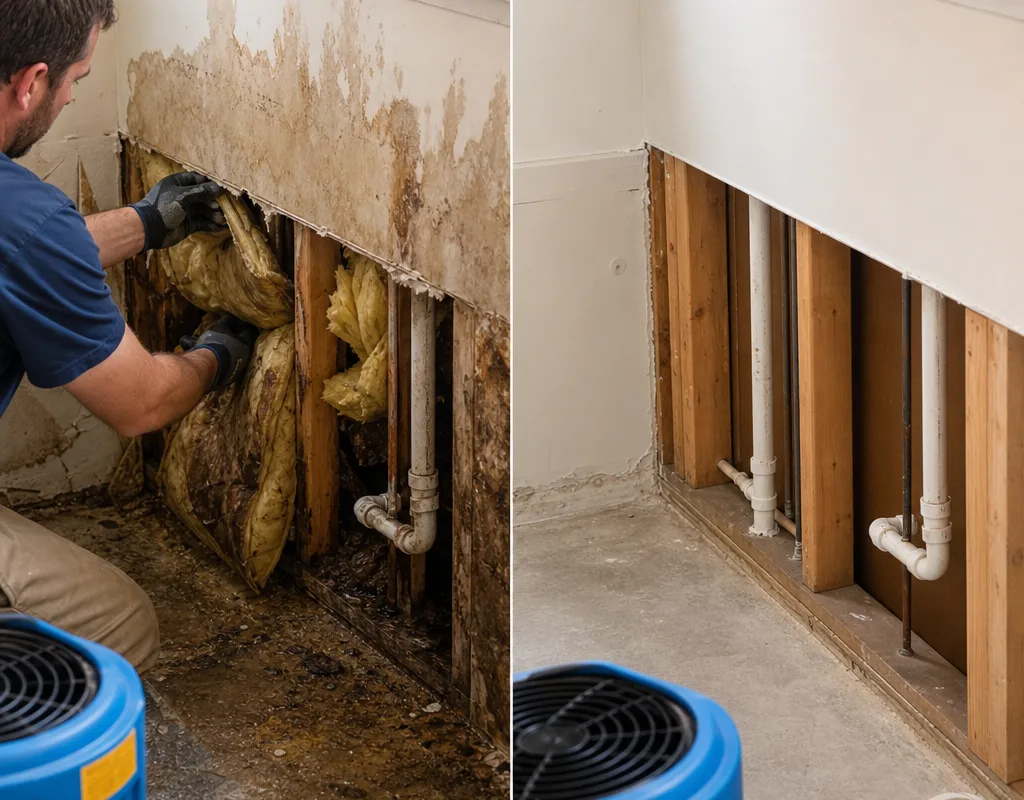
If you have standing water, wet drywall, or swelling floors, getting a documented drying plan early can reduce demolition and keep your repairs moving.
Call for Emergency HelpResponse depends on current conditions, but emergency water losses are prioritized because drying and documentation are time-sensitive. Once you reach out, we confirm the situation and schedule the soonest available on-site inspection and extraction.
Yes, we can support insurance claims by providing photos, moisture readings, equipment logs, and a written scope that matches the work performed. Save any leak source notes, take a few photos before moving items when it is safe, and keep a list of affected materials or contents.
Many clean-water drying jobs take about 3 to 5 days, but timelines change with the amount of water, material types, and how long the water sat before work began. Dense materials, wet insulation, and water trapped under flooring can extend drying.
Removal is based on saturation, contamination category, and whether moisture is trapped in assemblies. Drying-in-place may be possible for some clean-water losses, but swollen drywall, delaminated flooring, wet insulation, or contaminated water often requires selective removal.
Often yes for clean-water losses confined to a small area, as long as utilities are safe and affected rooms can be isolated. If there is sewage, significant microbial growth, heavy demolition, or compromised electrical, it may be safer to limit access or temporarily relocate.
Stop the source if you can do it safely, avoid rooms with sagging ceilings, and keep people and pets away from wet electrical areas. If it is safe, move small valuables out of the wet zone and blot visible puddles, but avoid pulling up flooring or opening walls without a plan.
Tell us what happened and what areas are affected. We will assess moisture, explain the drying plan, and provide the documentation you need to move forward with repairs and insurance.