
Same-visit triage and containment
We start by controlling spread: shutoff guidance where safe, moisture mapping, and containment for soot or demolition dust so unaffected rooms stay livable.
Serving Spokane, Washington & surrounding areas
Fire & water restoration · Spokane, WA
After a fire or leak, fast decisions prevent bigger damage. Get a clear plan for cleanup, drying, and repairs, with documentation that keeps insurance and property management moving.
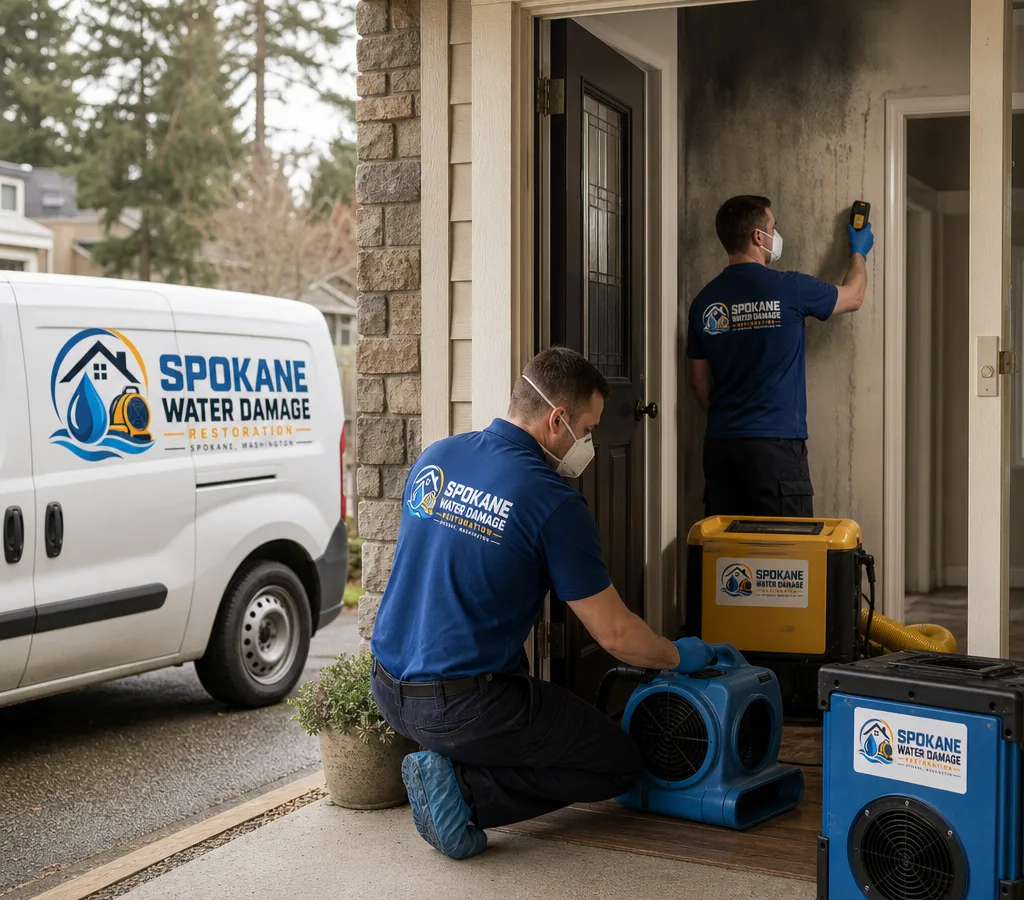
Coordinated cleanup, drying, and repair planning
Spokane fire and water restoration is often a combined job, even when the loss starts with just one problem. A kitchen fire can trigger sprinkler discharge or firefighter hoses. A broken supply line can soak drywall and insulation and then lead to odor, staining, and microbial growth. The right response is a coordinated plan: stabilize the property, remove unsafe materials, dry what can be saved, and rebuild what cannot.
Spokane Water Damage Restoration handles fire, smoke, and water damage restoration for residential and commercial properties in Spokane, WA (99202). Our approach is practical and documented: we identify what is wet or contaminated, what is salvageable, what needs controlled removal, and what must be replaced to restore the space to a safe, normal condition.
Because damage spreads quickly through wall cavities and floor assemblies, the first site visit focuses on triage. We look for active leaks, electrical hazards, compromised materials, soot migration paths, and hidden moisture. Then we provide a written scope so you can make decisions with real information, not guesses.
Practical restoration support
We start by controlling spread: shutoff guidance where safe, moisture mapping, and containment for soot or demolition dust so unaffected rooms stay livable.
We use commercial dehumidification, air movement, and targeted drying for wall cavities and subfloors, with monitoring until materials reach stable moisture levels.
Dry sponges, HEPA vacuuming, alkaline detergents, and controlled agitation are selected by surface type so paint, trim, masonry, and contents are treated appropriately.
Deodorization works best once residues are removed. We may use hydroxyl or ozone when the building is unoccupied and it is appropriate, and thermal fogging when needed.
Photos, moisture readings, equipment logs, and a clear scope help adjusters understand what happened, what was removed, what was dried, and why.
Restoration is only complete when the space is functional again. We plan the cleanup with the rebuild in mind so you are not repeating work.
One coordinated scope
Every loss is different, but most projects include a mix of the steps below.
If you are also dealing with a leak-only event and want a dedicated overview, water damage restoration in Spokane covers what to expect for extraction, drying, and repairs when smoke is not part of the loss.
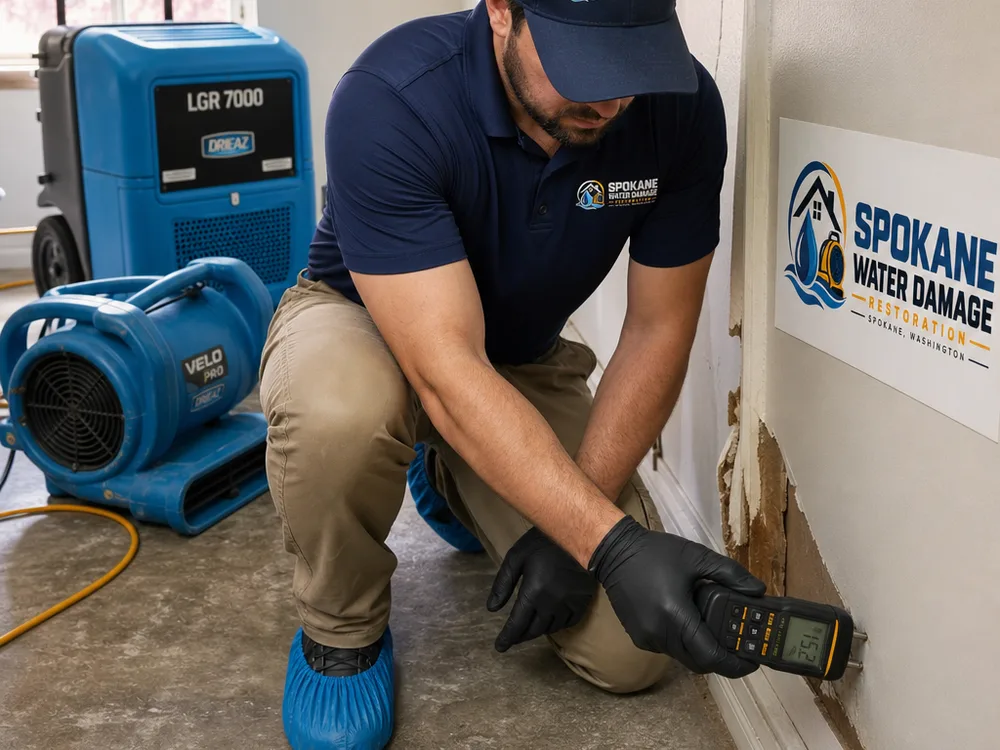
From stabilization to repairs
We identify hazards first: electrical risks around wet areas, compromised drywall or ceilings, and areas with heavy soot deposition. If needed, we set containment and negative air to limit cross-contamination.
We document conditions with photos and readings. Moisture mapping helps locate hidden wet areas behind baseboards, inside cavities, and under flooring so drying is targeted instead of open-ended.
We remove standing water and address materials that cannot be restored. Controlled demolition is done to open drying paths and remove contaminated, swollen, or delaminated materials.
We HEPA vacuum, use appropriate cleaning chemistry for the surface, and detail areas where soot settles, including cabinet tops, framing ledges, and HVAC returns.
We set equipment to hit drying goals and verify progress with regular checks. Once cleaning is complete and materials are stable, we use odor treatment methods suited to the space and conditions.
We review what was removed and what comes next: drywall, paint, flooring, trim, and any cabinetry or fixture resets. The goal is a clean handoff and a clear path to full use of the space.
Local property conditions matter
Older housing stock in parts of Spokane can complicate both fire and water losses. Plaster walls, layered flooring, and older trim profiles may affect what can be dried in place versus what must be removed for access. Smoke residue also behaves differently on older, porous materials, which can require more careful cleaning and sealing choices.
Seasonal swings matter too. Spokane winters can slow evaporation and make drying strategy more equipment-dependent, while warmer months can raise indoor humidity if windows are opened during drying. Either way, restoration drying should be based on measured moisture conditions, not on how the surface feels.
Different neighborhoods also bring different constraints during mitigation. In South Hill, multi-level layouts and finished basements often mean moisture travels farther than expected. In Kendall Yards and other newer builds, tight building envelopes can concentrate odor if cleaning and air filtration are not managed correctly. Around Hillyard and other areas with many older homes, soot can migrate through small gaps and attic pathways, which is why containment and detailed cleaning matter.
Inspection defines the exact scope
Spokane fire and water restoration typically ranges from about $2,500 to $12,000+ for many residential losses, with small, contained incidents sometimes closer to $1,000 to $3,000 and major multi-room fire, smoke, and water damage running $20,000+ depending on rebuild needs. The largest cost drivers are the affected square footage, how far water traveled, including wall cavities and subfloors, the level of soot contamination, what materials must be removed, and the amount of repair work required. The exact price is confirmed after an on-site inspection and a written scope.
Request Emergency Service“We had smoke damage plus water from the suppression. The crew explained what had to come out, dried the walls properly, and the odor was actually gone after the cleaning step. The documentation also made the insurance conversations easier.”
“They found moisture behind the baseboards that we would have missed and set up containment so the rest of the house stayed clean while they worked. The plan was straightforward and the timeline made sense.”
Start as soon as the property is safe to enter because soot becomes harder to remove and water can wick into drywall, insulation, and flooring within hours. Early stabilization and extraction reduce secondary damage like swelling, rusting, and persistent odor.
Often, yes, but only after the physical soot and residue are removed from the actual source surfaces. If odor remains, additional steps like sealing specific materials or using hydroxyl or ozone treatments when appropriate and unoccupied may be needed, and some porous items may be non-salvageable.
If it is safe, stop the water source, avoid using electrical outlets in wet areas, and keep doors to affected rooms closed to limit soot and odor spread. Do not run household fans into soot-contaminated areas because they can push residues deeper into materials.
Yes. We provide a clear scope, photos, and drying documentation that helps an adjuster understand what was damaged, what was removed, and why. Coverage and final claim decisions remain between you and your insurer, but good documentation prevents delays.
Most structural drying takes about 3 to 5 days once extraction and controlled removal are complete, but it can take longer when water is trapped under floors, inside multiple wall cavities, or when indoor humidity is high. We monitor moisture readings and adjust equipment based on measured progress.
It depends on the affected areas and the work methods. Some projects can be contained so you can stay in unaffected rooms, while others require temporary relocation, especially if there is heavy soot, significant demolition, or odor treatments that require the building to be unoccupied.
Tell us what happened and what areas were affected. We will schedule an inspection in Spokane, document conditions, and lay out the cleanup, drying, and repair steps so you can move forward with confidence.