
Moisture first, mold second
We track where water is entering or where humidity is staying trapped. Without fixing the moisture pathway, cleanup becomes a repeat problem.
Serving Spokane, Washington & surrounding areas
Mold inspection · Spokane, WA
If you smell something musty, see staining, or have had a leak, an inspection gives you clear answers. We schedule quickly, document what we find, and explain practical next steps for your home or building.
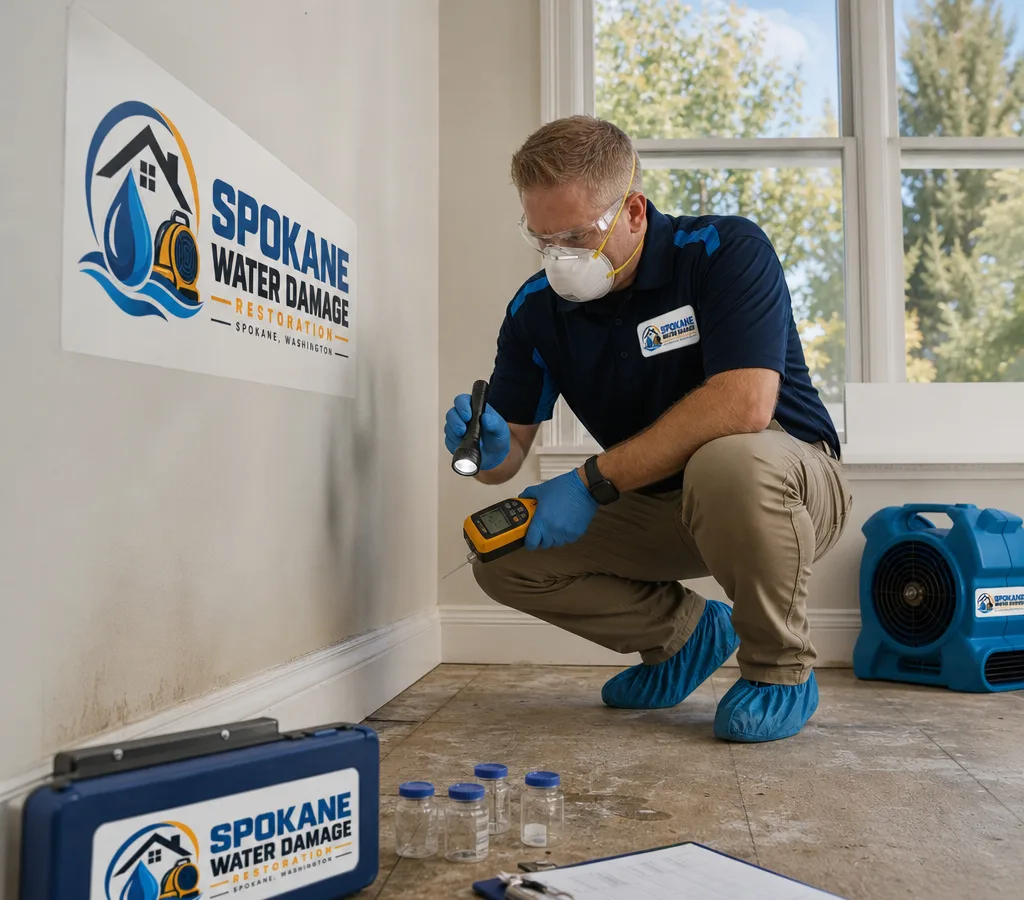
Find the moisture source first
A mold problem is usually a moisture problem first. In Spokane, that moisture often starts with a roof or window leak, a slow plumbing drip, a damp crawl space, or a bathroom that cannot clear humidity.
You may want mold inspection Spokane services when:
Our inspections focus on identifying likely mold growth conditions, checking materials that commonly trap moisture—including drywall paper, insulation, subfloor edges, and contents—and pinpointing the source so the problem does not return after cleanup.
Actionable inspection findings
A good inspection should leave you with decisions you can actually make. Our approach is straightforward: confirm whether conditions support mold, determine where moisture is coming from, and document findings in a way that is easy to act on.
Typical deliverables include:
If the inspection starts because of a leak or flooding, many clients also want the moisture source addressed quickly. Drying and moisture control should be handled before rebuilding decisions are made.
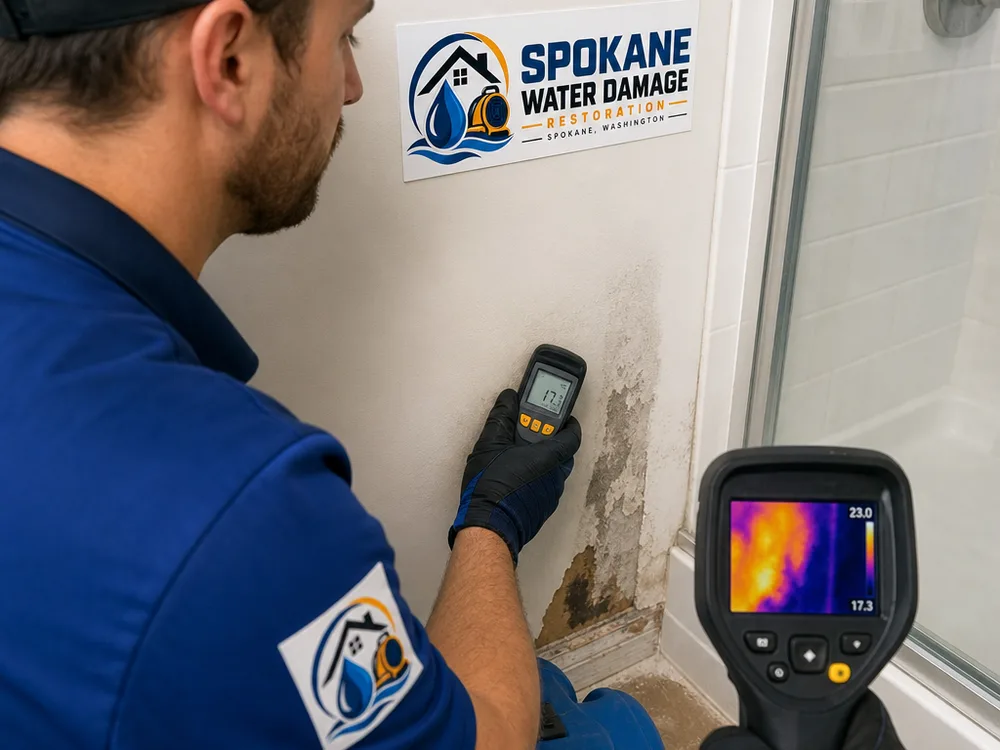
Measured findings, not assumptions
We track where water is entering or where humidity is staying trapped. Without fixing the moisture pathway, cleanup becomes a repeat problem.
Bathrooms, laundry areas, kitchens, crawl spaces, basements, and window perimeters are common trouble spots because they combine water exposure with limited airflow.
We consider how air moves through the structure, including returns, supply runs, and negative pressure zones, because it affects where odors and spores travel.
We record conditions in plain language with photos and locations so a buyer, tenant, or contractor can understand the scope.
If something cannot be confirmed without opening a cavity, we explain what would need to be accessed and why, rather than making a confident-sounding assumption.
You tell us what you are seeing—odor, staining, a recent leak, health concerns, or a real estate deadline. We ask a few questions so we arrive prepared for the likely conditions.
We start with a visual check of reported areas, then expand to connected spaces where moisture commonly migrates. We measure building materials and look for condensation patterns and ventilation issues.
Sampling is not always required for decision-making. When it is, we collect it in a controlled, labeled way to support a clear plan, especially for real estate documentation or when the extent is unclear.
You get a direct summary of what we found, what likely caused it, and what to do next. That may mean a targeted fix and cleanup, or a larger plan involving containment, material removal, and drying priorities.
Mold inspection in Spokane typically ranges from about $250 to $750+, depending on the size of the property and whether sampling and lab analysis are needed. A focused inspection for a single suspected area often lands at the lower end, while larger homes, multi-unit properties, or inspections that require multiple samples trend higher.
Your final price mainly depends on square footage, accessibility such as crawl spaces and attic access, how many areas need moisture mapping, and how much documentation you need for real estate or property management. Exact cost is confirmed after a brief intake and the on-site inspection plan.
Local building and climate context
Mold risk changes block by block because building types and ventilation vary. In Spokane, inspections commonly turn up issues tied to how homes manage seasonal moisture and airflow.
A few patterns that affect inspections locally:
During the inspection we separate cosmetic staining from conditions that indicate ongoing moisture. That distinction matters because cleanup alone does not fix a wet wall cavity, damp subfloor edge, or recurring condensation point.
Scheduling depends on demand, but we prioritize active moisture situations and real estate timelines whenever possible. If you have a recent leak, visible growth that is spreading, or strong odor that appeared suddenly, mention that during intake so we can plan the visit and equipment needs appropriately.
No, sampling is optional and should be used when it changes the decision. If the source and extent are clear, the next step is often moisture correction and targeted removal without lab work. Sampling becomes more useful when documentation is needed for a buyer or tenant, or when the affected area is uncertain.
We can identify strong indicators of hidden moisture and likely growth using visual clues, infrared screening, and confirmed moisture readings, but we cannot verify mold on a concealed surface without access. If conditions point to a wet cavity, we explain exactly what area would need to be opened and what you can expect once it is exposed.
Leave the suspected areas as-is so we can read the conditions accurately. If possible, clear a path to under-sink cabinets, the water heater area, attic access, and crawl space entries. If you have details on past leaks, repairs, or remodel work, having that timeline ready helps us narrow down the likely moisture pathway faster.
Yes, you will get practical next steps based on risk and scope, including what needs to dry, what materials may need removal, and whether containment is appropriate. If the inspection shows moisture from an active or recent event, addressing drying and source control quickly is usually the first priority before any rebuild.
Tell us what you are seeing and where it is happening. Spokane Water Damage Restoration will schedule your mold inspection, document the findings, and walk you through the safest next steps for the property.