
The right samples, not random ones
Results only help when sampling matches the building conditions. We choose locations based on moisture indicators, airflow, and the story of the space.
Serving Spokane, Washington & surrounding areas
Mold testing service · Spokane, WA
Get clear, lab-backed answers when you suspect mold. We inspect the conditions that let mold grow, collect the right samples, and explain what the results mean so you can choose the next step with confidence.
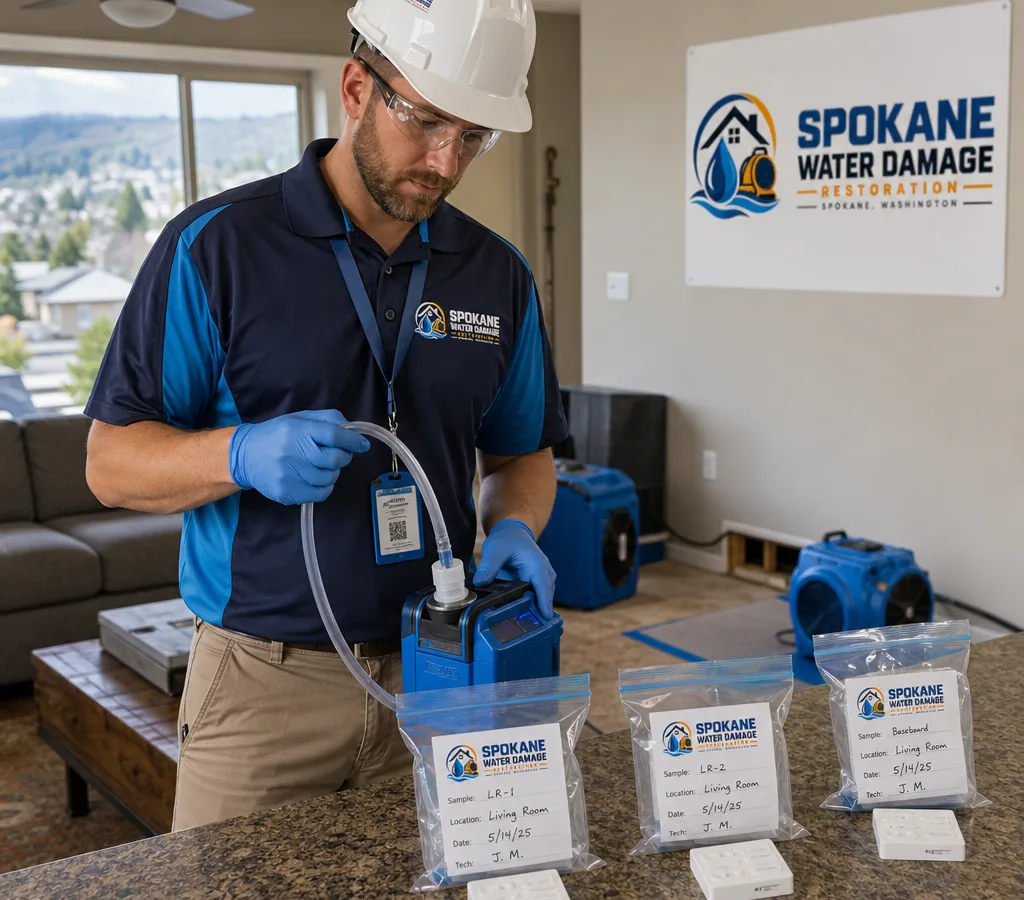
Testing replaces uncertainty with evidence
If you are searching for mold testing Spokane homeowners can rely on, you usually want one thing: a straight answer about what is in the air or on a surface, and whether it lines up with the symptoms or odors you are dealing with.
Testing is most useful when there is uncertainty. A little discoloration on drywall might be dirt, old water staining, or microbial growth. A musty smell might come from a crawl space, a wall cavity, or damp materials behind cabinets. Mold testing helps narrow the source and document the situation with lab analysis.
Common reasons people schedule a certified mold inspection include:
Spokane has plenty of housing with mixed construction eras, additions, and finished basements. That combination can create hidden pockets where moisture lingers, especially around rim joists, older window openings, and below-grade walls. The goal of testing is not to panic you. It is to define the problem, so the fix is targeted and defensible.
Inspection guides every sample
A good mold test starts before any samples are taken. Our inspection focuses on where mold is likely to grow and why.
We start with what you have noticed: odor timing, past leaks, room-by-room concerns, and any recent work. Then we inspect areas where moisture commonly appears, including bathrooms, laundry areas, exterior walls, and suspected wall cavities.
Mold problems are moisture problems first. We use non-invasive moisture detection to identify elevated readings in drywall, trim, subflooring, and other materials. This helps choose the right sampling locations.
Depending on conditions, we may recommend:
Samples are labeled, documented, and submitted for analysis so results are traceable to the exact location sampled.
You receive a plain-language summary of what was found, how it compares across sampled areas, and what actions are reasonable. If moisture intrusion is active, we will tell you directly.
If your concern started after a leak or flooding, it can be helpful to address moisture control in parallel. Our team at Spokane Water Damage Restoration also handles water damage restoration when drying and stabilization are the immediate priority.
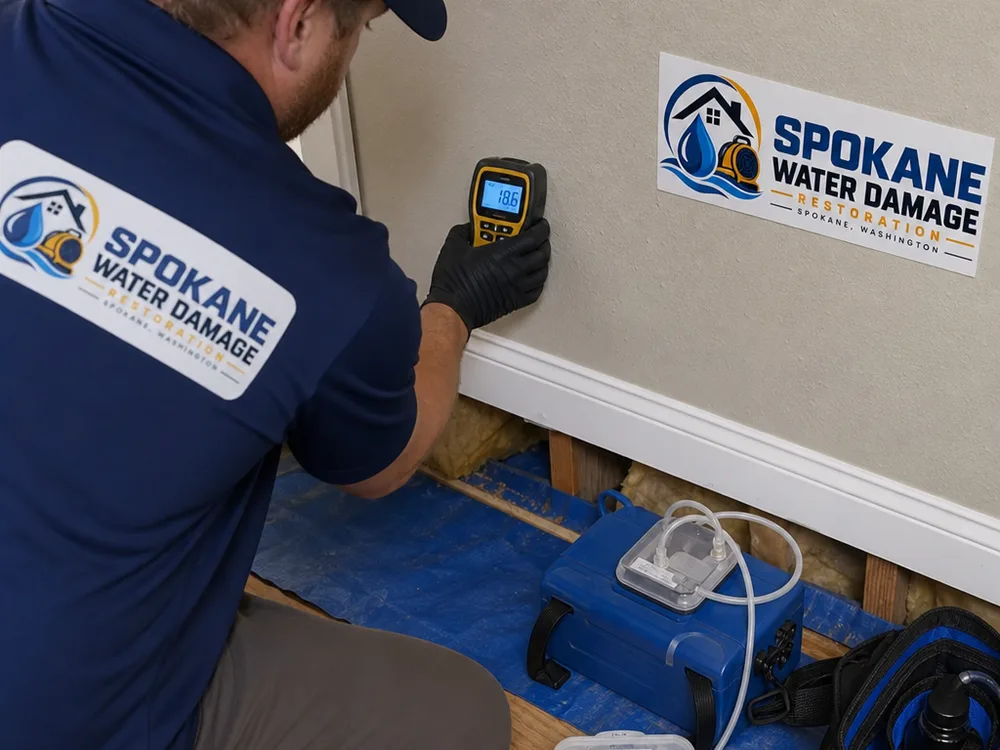
Useful evidence for better decisions
Results only help when sampling matches the building conditions. We choose locations based on moisture indicators, airflow, and the story of the space.
Air and surface testing can identify mold types present and the relative burden in areas sampled, which helps prioritize where to focus corrective work.
Homeowners, property managers, and buyers often need documentation for decisions, negotiations, or planning work with a contractor.
We explain what the numbers and categories mean in real life, and what to do next to stop the moisture source and prevent recurrence.
Finished basements, crawl spaces, and older window assemblies can behave differently across Spokane homes. We interpret findings with the structure in mind.
Tell us what you are seeing, smelling, or experiencing, plus any known past leaks or remodel work. We will suggest how to prepare, such as keeping windows closed for a period before air sampling when appropriate.
We inspect the suspect areas and take moisture readings to confirm where conditions support mold growth. If we find an active moisture source, we will flag it right away.
We collect the agreed samples, label them by location, and document conditions so the lab results map back to the building in a useful way.
Once the lab completes analysis, we review the results with you and explain what they mean for the rooms sampled, including what is likely background versus elevated.
You get a practical path forward: control moisture first, then cleaning or remediation as needed, plus recommendations for prevention such as ventilation, drainage, or material corrections.
Mold testing in Spokane typically ranges from about $350 to $900, depending on the inspection time and how many samples are collected and sent to the lab. A basic visit with limited sampling is often on the lower end, while larger homes, multiple suspect areas, or a more detailed sampling plan can run higher.
Your final price depends on the number of air and surface samples, how easy it is to access attics or crawl spaces, whether a baseline outdoor sample is needed, and how much documentation you want for real estate or property management. Exact pricing is confirmed after we review the situation and the sampling plan for your home.
Reassurance from local homeowners
“We had a musty smell in the basement that got stronger after storms. The inspection showed where moisture was getting in and the air samples helped us focus on one area instead of tearing out half the room.”
“The report was straightforward and the results came back fast. What I appreciated most was the explanation of what the lab numbers meant for our specific rooms.”
Most lab results are available within a few business days after sampling, with timing depending on the lab and the number of samples submitted. We can often complete the on-site inspection quickly, then follow up as soon as the lab report is returned so you are not left waiting to plan next steps.
Both are used for different questions: air sampling helps evaluate what is in the breathing zone of specific rooms, while surface sampling identifies what is growing on a visible spot. In many Spokane homes, we recommend a targeted mix, such as an outdoor baseline plus indoor air samples in suspect areas, and a surface sample where growth is visible.
You can sometimes screen for a hidden issue using moisture readings and air sampling in the room, but confirming mold inside a wall cavity may require a small access point to collect a cavity sample. We only recommend invasive access when the indicators support it, because random openings do not help and add avoidable repair work.
In most cases, no. Sampling is non-destructive and does not involve fogging or chemicals. If there is a large area of visible growth that could be disturbed by inspection access, we will talk through safety and any temporary precautions before we proceed.
Usually not. Many retail kits cannot control sampling volume, timing, or location well enough to compare rooms or establish a useful baseline, and they often create results that are hard to interpret. Professional mold testing ties the sample to building conditions, moisture readings, and a documented location so the results support a real plan.
The next step is to identify and correct the moisture source, then decide whether cleaning or remediation is appropriate for the materials involved. We will walk you through what the results suggest for the specific areas sampled and what scope is reasonable, including when it is time to bring in a remediation team versus when the issue is limited and can be addressed with targeted work.
Describe what you are seeing or smelling and where it is happening. We will recommend a sampling plan that fits your home, then provide lab-backed results and a practical path forward.